
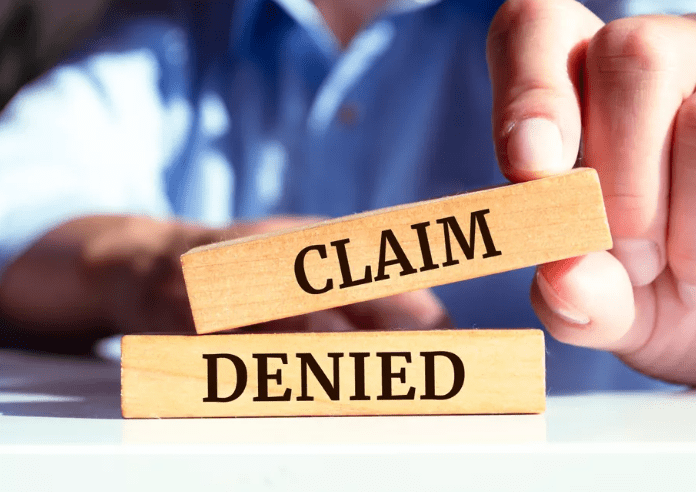
Having your insurance claim denied can be frustrating, especially after providing extensive documentation and proof. While denial doesn’t mean the end of your case, it’s important to respond strategically to protect your rights and pursue the compensation you deserve.
Understand the Reason for Denial
The first step is to review the denial letter from your insurance company carefully. Insurers are required to provide specific reasons for their decision, whether it’s alleged insufficient coverage, missed deadlines, or questions about the validity of your evidence. Understanding the rationale allows you to address the issues directly.
Gather and Organize Documentation
Even if you’ve submitted proof, it may help to review and organize all your documentation:
- Photos or videos of property damage or injuries.
- Medical records or repair estimates.
- Communication records with the insurer.
- Witness statements, if applicable.
Having a clear, organized file can strengthen your position in appeals or disputes.
File an Internal Appeal
Most insurance policies include a formal appeals process. Submit a written appeal addressing each reason for denial and provide any additional evidence or clarifications that support your claim. Make sure to follow the insurer’s timelines and procedures carefully.
Request a Third-Party Review
If the internal appeal is unsuccessful, you may be entitled to an independent review or mediation. Some states provide regulatory agencies or consumer protection offices that can evaluate disputes between policyholders and insurers. This step can apply pressure for a fair resolution.
Consult an Insurance Attorney
A lawyer specializing in insurance claims can provide guidance on complex cases, particularly if the denial seems unjust or violates your policy terms. Legal counsel can negotiate with the insurer, help file lawsuits if necessary, and ensure your rights are protected throughout the process.
Maintain Communication and Documentation
Throughout the process, keep detailed records of all interactions, including phone calls, emails, and letters. Clear documentation demonstrates diligence and can be crucial if the dispute escalates to litigation.
Final Thoughts
Being denied an insurance claim doesn’t have to end your pursuit of compensation. By understanding the reason for denial, organizing evidence, filing appeals, and seeking professional legal guidance, you can challenge the decision effectively and maximize your chances of a successful outcome.
This post was written by Kelly-Ann Jenkins of https://www.jenkinslawpl.com/. Kelly-Ann is an insurance claim Lawyer. The information on this site is not intended to and does not offer legal advice, legal recommendations, or legal representation on any matter. Hiring an attorney is an important decision, which should not be based on advertising. You need to consult an attorney for legal advice regarding your situation.
The information provided on this website does not, and is not intended to, constitute legal advice; all information, content, and materials available on this site are for general informational purposes only. Information on this website may not constitute the most up-to-date legal or other information. This website contains links to other third-party websites. Such links are only for the convenience of the reader, user or browser; the ABA and its members do not recommend or endorse the contents of the third-party sites.
 Business Course