Building Leaders Through Faith-Centered Education

Every generation asks the same question: what kind of people will guide our homes and communities tomorrow? Parents and educators who care about the answer know that leadership is more than a skill set. It is a way of seeing others and a willingness to act on conviction. That is why many families are turning to Christian Preparatory Schools, where academic excellence and spiritual formation grow side by side.

Why Faith and Leadership Belong Together

Leadership without a moral center can drift toward self-interest. Faith-centered education offers a steadier foundation by teaching students that authority is a form of stewardship rather than a prize to be won. When young people learn that they are accountable to something greater than themselves, they begin to lead with humility and purpose.

This conviction shapes daily campus life. Students are invited to ask hard questions and wrestle with doubt. Instead of handing over ready-made answers, good teachers walk alongside students as they test ideas against Scripture and lived experience. The result is faith that is owned rather than inherited, and leaders who can explain what they believe and why.

The Classroom as a Training Ground

Strong leaders are made in ordinary moments. A group project or a disagreement between friends becomes a chance to practice listening and fairness. Teachers in faith-centered programs weave these opportunities into the curriculum on purpose. Literature classes explore the cost of courage, while science classes reveal the wonder and order of creation.

Rigorous academics matter here. A school that neglects intellectual challenge does its students a disservice. Leaders need sharp minds as well as tender hearts, and the best programs refuse to treat those as competing goals.

Character Before Credentials

Résumés open doors, but character determines what happens once a person walks through. Faith-centered schools place honesty and compassion at the heart of campus culture. Students learn that doing the right thing when no one is watching matters more than any trophy or transcript.

Mistakes are treated as part of growth. When a student fails, adults respond with accountability and grace together. That balance teaches young people how to hold high standards for themselves while extending mercy to others, a skill every effective leader needs.

Service as a Way of Learning

Faith comes alive through action. Many schools build service into the rhythm of the year, sending students into neighborhoods and local organizations to meet real needs. These experiences reshape how students see the world. Serving alongside people from different walks of life replaces assumptions with understanding, and it shows that leadership often looks like kneeling to help rather than standing to be seen.

Over time, service becomes a habit rather than assignment. Students who practice generosity as teenagers are far more likely to lead generously as adults, whether they run a business or raise a family.

Partnering With Families

No school can do this work alone. Parents remain the primary shapers of a child’s faith and values, and the strongest schools treat families as true partners. Regular communication and shared traditions create consistency between home and campus. When a student hears the same message of dignity and responsibility in both places, it takes root more deeply.

Partnership also means honesty. Teachers and parents who talk openly about a student’s struggles can respond early, and that shared attention often turns a difficult season into a turning point.

Mentorship and Community

Young leaders need models. Teachers and coaches who live out their convictions offer a living picture of what faithful leadership looks like. Students notice how adults handle pressure and disappointment, and those observations often teach more than any lecture.

A close-knit community also gives students a safe place to stumble and try again. Belonging builds the confidence required to step forward and take responsibility for others. A student who feels known is far more willing to take a risk, and risk-taking is where leadership begins.

Preparing Students for a Changing World

The world these students will enter is complex and fast-moving. Technology reshapes industries overnight, and public conversation often rewards volume over wisdom. Graduates of faith-centered programs carry an anchor in that storm: a settled sense of identity and a clear moral compass. They can engage with people who disagree, respond with kindness, and hold firm without becoming harsh.

Colleges and employers increasingly value this kind of maturity. Yet the deeper aim is not career advancement. It is to raise people who use their gifts to serve others and honor God.

Conclusion

Building leaders is slow, patient work. It happens in classrooms and on playing fields, in quiet conversations and in moments of costly choice. A faith-centered education offers a setting where that work is done with intention, where faith informs learning and learning deepens faith. For families seeking an education that shapes both mind and soul, this approach offers a path toward leaders who will serve well and live with integrity.

A Guide to Choosing Christian Books for Spiritual Growth

Reading can give people time to slow down, think about their beliefs, and consider how faith shapes everyday choices. Christian books cover a wide range of topics, from Bible study and prayer to family life and personal struggles. Whether someone is new to Christianity or has followed the faith for years, the right book can offer a fresh way to learn, reflect, and grow.

Choose Books That Match Your Faith Journey

People turn to Christian books for different reasons. Some want to learn more about the Bible, while others hope to build a steady prayer routine or find comfort during a difficult season. Knowing what you want to gain from reading can help narrow your choices. A beginner may prefer a clear introduction to Christian beliefs, while a longtime reader may want a deeper look at a specific passage or part of church history.

It also helps to think about your reading habits. A short daily devotional may fit a busy schedule better than a long study guide. Meanwhile, readers who enjoy careful study may prefer books with Scripture references, background details, and questions for reflection. Choosing a book that fits both your interests and available time can make reading easier to maintain.

Explore Different Types of Christian Books

Christian books come in many forms, each serving a different purpose. Bibles and study guides help readers examine Scripture, while devotionals offer short readings for regular reflection. Books about Christian living discuss the role of faith in everyday decisions, and biographies share the stories of people whose beliefs shaped their lives. Children’s books introduce biblical stories and Christian values in language suited to younger readers.

Books about grief, parenting, relationships, and other life experiences can also help readers think through personal concerns from a Christian point of view. However, no single book will answer every question. Reading different viewpoints, checking Scripture, and discussing difficult topics with a trusted pastor or study group can help readers consider what they learn more carefully.

Read With Time for Thought and Reflection

Reading a Christian book does not need to involve finishing several chapters at once. Taking a few pages at a time can leave room to think about the message and consider its meaning. For devotional reading, a person might focus on one passage and write down a question or thought that stands out. For a study book, pausing to look up Bible passages can make the material easier to follow.

Some readers find it useful to keep a journal alongside their books. Writing down questions, favorite passages, or ideas to revisit can help connect reading with daily life. The goal is not to agree with every sentence without thought, but to read carefully and consider whether the message fits the broader teaching of Scripture.

Share Books Through Family and Community

Christian books can also give families a way to talk about faith together. Parents may choose storybooks that explain biblical lessons in age-appropriate language, while older children may enjoy books about courage, kindness, or the lives of Christian figures. Reading together creates time for questions and discussion without requiring every conversation to turn into a formal lesson.

Church groups can benefit from shared reading, too. A study guide or book about Christian living can give members a common topic to discuss and help them learn from one another’s experiences. First Presbyterian Church, for instance, offers resources such as Bibles, devotionals, children’s books, and materials related to church classes. These types of resources can support individual reading as well as group learning.

Select Books With Care and Purpose

Before choosing a title, consider the author’s background, the book’s purpose, and the way it uses Scripture. A clear explanation of the author’s main point can help you decide whether the book meets your needs. It is also useful to read a sample chapter or review the table of contents before committing to a longer work, especially if the subject is unfamiliar.

Readers should remember that Christian authors may interpret certain passages or topics differently. When a claim seems unclear, checking the Bible passage in context can help you judge the explanation. Asking a trusted church leader for reading suggestions may also be useful, particularly when studying theology or a topic that raises difficult questions.

Build a Lasting Reading Habit

Making time for Christian books can be as simple as setting aside a few minutes each morning or reading before bed. Keeping a book in a familiar spot may help turn reading into a regular part of the day. Some people prefer to read alone, while others stay engaged by joining a Bible study or discussing chapters with friends.

The most helpful reading routine is one that fits your life and gives you room to reflect. By choosing books with care, returning to Scripture, and staying open to thoughtful discussion, readers can make Christian reading a steady part of their faith journey. Each book can offer a new question to consider or a useful reminder to carry into daily life.

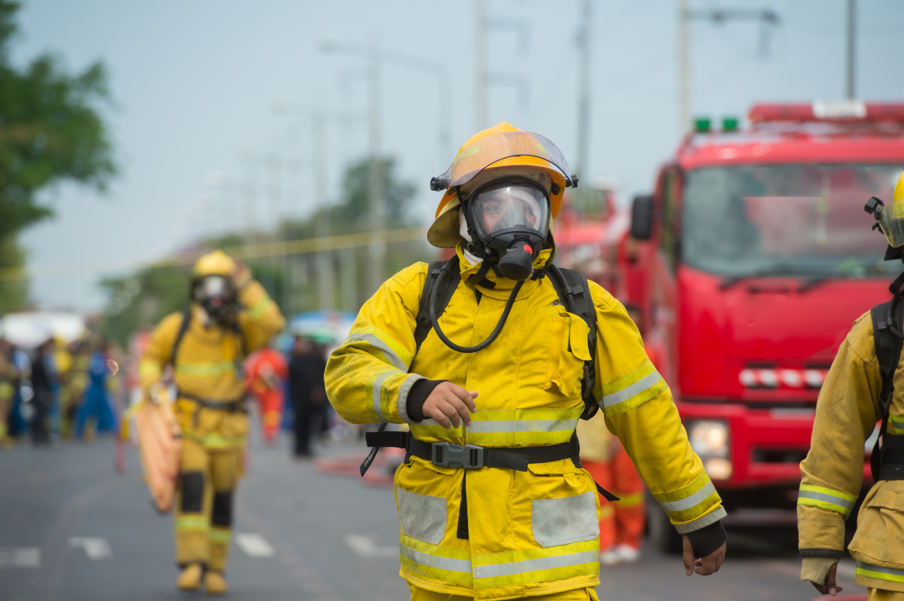
Understanding the Layers That Protect Firefighters

When a firefighter walks toward a burning structure, everything standing between skin and flame is the product of decades of trial, failure, and refinement. The gear looks bulky and uniform from the outside, but underneath that silhouette is a carefully engineered system of layers, each one built to handle a different threat. Heat, flame, water, chemicals, and physical impact all behave differently, and no single material can defend against all of them at once. That’s why protective clothing for firefighting is never just one piece of fabric,  it’s a stack of specialized layers working together.

The Outer Shell

The outermost layer is the first line of defense against direct flame contact and radiant heat. It’s typically woven from tough, flame-resistant fibers designed to resist tearing, abrasion, and puncture while shrugging off sparks and embers. This layer also needs to survive rough handling, dragging hoses, crawling through debris, brushing against jagged metal or splintered wood. Durability matters here almost as much as heat resistance, because a shell that fails physically can expose the layers beneath it long before heat ever becomes the problem.

The Moisture Barrier

Just beneath the outer shell sits a layer most people never think about: the moisture barrier. Its job is deceptively complex. It has to keep water, steam, and hazardous liquids from soaking through to the skin, while still allowing some breathability so the wearer doesn’t overheat from the inside. Steam burns are a serious risk in firefighting, often more dangerous than people realize, because trapped moisture can turn to vapor against the skin in an instant. A good moisture barrier reduces that risk while also blocking exposure to chemicals, bodily fluids, and other contaminants encountered on scene.

The Thermal Liner

The innermost layer is the thermal liner, and it functions much like insulation in a winter coat, except it has to perform in conditions that would destroy ordinary insulation within seconds. This layer traps air to slow the transfer of heat toward the body, giving the wearer precious extra time in high-heat environments. It’s a delicate balance, too little insulation and heat passes through dangerously fast; too much and the firefighter risks heat exhaustion from their own body warmth being trapped inside the suit. Manufacturers spend enormous effort tuning this layer so it protects without becoming a liability in its own right.

Beyond the Coat and Pants

While the structural coat and trousers get most of the attention, a firefighter’s protection extends well beyond the torso. Helmets, hoods, gloves, and boots each have their own layered construction suited to the specific stresses they face. A hood has to protect the neck and face while remaining flexible enough for full range of motion and breathing. Boots need puncture-resistant soles along with insulation and waterproofing. Gloves must balance dexterity against thermal protection, too thick and the firefighter loses the fine motor control needed to operate tools and equipment. Every piece is a compromise between protection and usability, refined through real-world feedback from people who wear it under extreme pressure.

Why the System Matters More Than Any Single Piece

It’s tempting to think of firefighter gear as one product, but it’s really a coordinated system. Fire line equipment is only effective when every layer performs its role and integrates properly with the others, because a weak point anywhere in the chain can undermine the protection of the whole ensemble. A flawless outer shell paired with a compromised liner still leaves a firefighter vulnerable. This is why testing, inspection, and proper maintenance of gear are treated with such seriousness in the fire service, the system only works when every component is trusted to do its job.

The Human Factor

None of this technology matters if the person wearing it can’t move, see, breathe, or think clearly while doing their job. Designers have to constantly weigh protection against mobility, weight, and comfort, knowing that gear which is too heavy or restrictive can become dangerous in its own way by slowing reaction time or causing fatigue. The layers that protect firefighters represent an ongoing negotiation between safety and functionality, refined generation after generation based on lessons learned in real emergencies.

Understanding these layers offers a deeper appreciation for the complexity hidden inside something as ordinary-looking as a firefighter’s uniform. It’s not just clothing, it’s a carefully balanced shield, built one layer at a time to give someone the best possible chance when they step into danger.

What to Do When Insurance Denies Your Claim After All the Proof

Having your insurance claim denied can be frustrating, especially after providing extensive documentation and proof. While denial doesn’t mean the end of your case, it’s important to respond strategically to protect your rights and pursue the compensation you deserve.

Understand the Reason for Denial

The first step is to review the denial letter from your insurance company carefully. Insurers are required to provide specific reasons for their decision, whether it’s alleged insufficient coverage, missed deadlines, or questions about the validity of your evidence. Understanding the rationale allows you to address the issues directly.

Gather and Organize Documentation

Even if you’ve submitted proof, it may help to review and organize all your documentation:

  • Photos or videos of property damage or injuries.
  • Medical records or repair estimates.
  • Communication records with the insurer.
  • Witness statements, if applicable.

Having a clear, organized file can strengthen your position in appeals or disputes.

File an Internal Appeal

Most insurance policies include a formal appeals process. Submit a written appeal addressing each reason for denial and provide any additional evidence or clarifications that support your claim. Make sure to follow the insurer’s timelines and procedures carefully.

Request a Third-Party Review

If the internal appeal is unsuccessful, you may be entitled to an independent review or mediation. Some states provide regulatory agencies or consumer protection offices that can evaluate disputes between policyholders and insurers. This step can apply pressure for a fair resolution.

Consult an Insurance Attorney

A lawyer specializing in insurance claims can provide guidance on complex cases, particularly if the denial seems unjust or violates your policy terms. Legal counsel can negotiate with the insurer, help file lawsuits if necessary, and ensure your rights are protected throughout the process.

Maintain Communication and Documentation

Throughout the process, keep detailed records of all interactions, including phone calls, emails, and letters. Clear documentation demonstrates diligence and can be crucial if the dispute escalates to litigation.

Final Thoughts

Being denied an insurance claim doesn’t have to end your pursuit of compensation. By understanding the reason for denial, organizing evidence, filing appeals, and seeking professional legal guidance, you can challenge the decision effectively and maximize your chances of a successful outcome.

This post was written by Kelly-Ann Jenkins of https://www.jenkinslawpl.com/. Kelly-Ann is an insurance claim Lawyer. The information on this site is not intended to and does not offer legal advice, legal recommendations, or legal representation on any matter. Hiring an attorney is an important decision, which should not be based on advertising. You need to consult an attorney for legal advice regarding your situation. 

The information provided on this website does not, and is not intended to, constitute legal advice; all information, content, and materials available on this site are for general informational purposes only. Information on this website may not constitute the most up-to-date legal or other information. This website contains links to other third-party websites. Such links are only for the convenience of the reader, user or browser; the ABA and its members do not recommend or endorse the contents of the third-party sites.

Part Time Pet Grooming Courses: Your Path to Success in Singapore

The Growing Opportunity in Singapore’s Pet Care Industry

A part time pet grooming course singapore represents more than just vocational training; it embodies the intersection of economic opportunity and genuine passion in one of Asia’s most dynamic cities. Like the careful ethnographic work that reveals hidden patterns in urban life, examining Singapore’s pet grooming education landscape unveils a remarkable story of transformation, both personal and professional. In a society where career flexibility increasingly determines economic survival, these programmes offer working adults a tangible pathway to financial stability whilst pursuing meaningful work with animals.

The statistics paint a compelling picture. Singapore’s pet ownership rates have surged dramatically, with nearly one in three households now caring for companion animals. This demographic shift creates ripple effects throughout the economy, generating demand for skilled professionals who understand both animal welfare and business operations. For many residents juggling multiple responsibilities, part time education represents the only viable route to career advancement.

Understanding Singapore’s Pet Grooming Education Landscape

Singapore’s approach to part time pet grooming education reflects the city state’s broader commitment to workforce development and economic resilience. These programmes acknowledge the reality faced by countless working adults: the need to acquire new skills without abandoning existing financial obligations. The courses are meticulously designed to accommodate diverse schedules, from early morning sessions for night shift workers to weekend intensives for parents managing family responsibilities.

The curriculum typically encompasses both theoretical knowledge and hands on practice, recognising that effective pet grooming requires understanding animal behaviour, health indicators, and safety protocols. Students learn to read the subtle signs of stress in animals, master various grooming techniques, and develop the interpersonal skills necessary for client communication. This comprehensive approach ensures graduates possess the competencies demanded by Singapore’s discerning pet owners.

Economic Realities and Opportunities

The financial landscape surrounding pet grooming courses in Singapore reveals fascinating patterns of investment and return. Course fees generally range from moderate to substantial, reflecting the intensive nature of the training and the quality of instruction provided. However, graduates often recoup their educational investment relatively quickly, given the strong demand for skilled groomers across the island.

Consider the economic mathematics: experienced pet groomers in Singapore can command hourly rates that significantly exceed minimum wage standards. Mobile grooming services, in particular, offer entrepreneurial opportunities for those seeking independence from traditional employment structures. The flexibility inherent in pet grooming work appeals to individuals managing caring responsibilities, health challenges, or other circumstances that complicate conventional employment.

Essential Skills and Competencies Developed

Quality part time grooming courses in Singapore focus on developing multifaceted expertise:

  • Animal Handling Techniques: Learning to work safely and compassionately with pets of varying temperaments and sizes 
  • Grooming Tool Proficiency: Mastering specialised equipment from clippers to nail trimmers 
  • Breed Specific Knowledge: Understanding the unique grooming requirements of different dog and cat breeds 
  • Health Assessment Skills: Recognising signs of skin conditions, parasites, and other health concerns 
  • Customer Service Excellence: Developing communication skills essential for building client relationships 
  • Business Fundamentals: Understanding pricing, scheduling, and basic entrepreneurship principles

Cultural Considerations in Singapore’s Context

Singapore’s multicultural environment shapes how pet grooming education addresses diverse client expectations and cultural attitudes towards animals. The courses acknowledge that pet care practices vary significantly across different communities, requiring groomers to demonstrate cultural sensitivity alongside technical competence. This nuanced understanding proves essential for building trust with Singapore’s diverse pet owning population.

The island’s tropical climate also influences grooming practices, with courses emphasising techniques particularly relevant to high humidity environments. Students learn to address challenges like heat related stress in pets and the increased prevalence of certain skin conditions in tropical climates.

Flexible Learning Arrangements

Part time pet grooming programmes in Singapore exemplify innovative educational design, accommodating the complex realities of adult learners. Many courses offer modular structures, allowing students to progress at their own pace whilst managing work and family obligations. Evening and weekend options ensure accessibility for individuals with traditional working hours.

Some programmes incorporate online theoretical components with practical workshop sessions, maximising efficiency whilst ensuring comprehensive skill development. This hybrid approach acknowledges that adult learners bring diverse learning preferences and time constraints to their educational journey.

Career Pathways and Professional Development

Graduates of Singapore’s part time pet grooming courses pursue various career trajectories, from employment in established salons to independent mobile services. The skills acquired prove transferable across multiple contexts, from luxury pet spas to veterinary clinics offering grooming services.

Many graduates discover unexpected entrepreneurial opportunities, developing specialised services for particular breeds or offering add on services like pet photography or aromatherapy treatments. The foundation provided by quality education enables such innovation and business development.

Industry Standards and Continuing Education

Singapore’s pet grooming industry maintains rigorous standards that part time courses must address. Students learn about animal welfare regulations, health and safety requirements, and professional ethics that govern the industry. Many programmes emphasise the importance of continuing education, encouraging graduates to pursue advanced certifications and specialised training.

The commitment to ongoing professional development reflects the industry’s evolution and the increasingly sophisticated expectations of pet owners. Successful groomers understand that initial certification represents the beginning rather than the conclusion of their learning journey.

In conclusion, the landscape of pet grooming education in Singapore reveals the profound potential for personal and economic transformation through accessible, quality training. For individuals seeking meaningful work that combines animal care with financial stability, part time pet grooming course singapore offers a compelling pathway to professional fulfillment and economic security.

Fast-Track Your Technical Program: 5 Benefits of Turnkey Education Solutions

In today’s rapidly evolving technological landscape, educational institutions face mounting pressure to deliver cutting-edge technical programs while managing limited resources and tight timelines. For administrators and educators seeking to establish or expand their technical offerings, turnkey education solutions present a compelling alternative to traditional program development approaches.

These comprehensive educational packages offer institutions everything needed to launch successful technical programs, from curriculum design to instructor training and equipment specifications. As the demand for skilled technical workers continues to surge across industries, understanding the advantages of turnkey solutions becomes crucial for institutions aiming to meet market needs efficiently.

Accelerated Programs and Launch Timelines

One of the most significant advantages of turnkey education programs technical school solutions is the dramatically reduced time-to-market for new technical programs. Traditional program development can take years of planning, curriculum design, and approval processes. Turnkey solutions compress this timeline by providing pre-developed, industry-vetted curricula that have already undergone extensive testing and refinement.

This accelerated timeline allows institutions to respond quickly to emerging industry demands and workforce needs. Rather than spending months or years developing content from scratch, educators can focus on implementation and student engagement. The streamlined approach also enables institutions to capitalize on funding opportunities and market windows that might otherwise be missed due to lengthy development cycles.

Comprehensive Curriculum and Resource Package

Turnkey programs typically include complete curriculum packages that encompass all aspects of program delivery. These comprehensive solutions provide detailed lesson plans, learning objectives, assessment tools, and instructional materials that align with industry standards and best practices.

The curriculum components are designed to work together seamlessly, ensuring consistent quality and progression throughout the program. This integration eliminates the time-consuming task of sourcing materials from multiple vendors and ensures compatibility between different program elements. Students benefit from a cohesive learning experience that builds skills systematically and prepares them for real-world applications.

Built-in Industry Alignment and Certification Pathways

Professional turnkey solutions are developed in partnership with industry leaders and certification bodies, ensuring that program content remains current and relevant to employer needs. This industry alignment is particularly crucial in technical fields where technology and best practices evolve rapidly.

Many programs include direct pathways to industry-recognized certifications, giving students tangible credentials that enhance their employment prospects. The built-in certification alignment also provides institutions with clear metrics for measuring program success and demonstrates value to prospective students and employers.

Reduced Administrative Burden and Resource Requirements

Implementing technical programs from scratch requires significant administrative resources, from curriculum development teams to equipment procurement specialists. Turnkey solutions significantly reduce these resource requirements by providing ready-made components and clear implementation guidelines.

The reduced administrative burden allows institutions to allocate their limited resources more effectively, focusing on student support services, marketing, and program enhancement rather than basic development tasks. This efficiency is particularly valuable for smaller institutions or those with limited technical program experience.

Ongoing Support and Continuous Improvement

Quality providers offer comprehensive ongoing support that extends well beyond initial implementation. This support typically includes instructor training, technical assistance, curriculum updates, and performance monitoring tools.

The continuous improvement aspect is particularly valuable in technical education, where industry standards and technologies evolve constantly. Turnkey providers monitor industry trends and update their materials accordingly, ensuring that institutional programs remain current without requiring internal development resources. This ongoing partnership model provides institutions with access to expertise and resources that would be difficult to maintain independently.

Making the Strategic Choice

For institutions considering technical program expansion or enhancement, turnkey education programs offer a strategic advantage in today’s competitive educational landscape. The combination of accelerated implementation, comprehensive resources, industry alignment, reduced administrative burden, and ongoing support creates a compelling value proposition.

While turnkey solutions may not be appropriate for every institution or program, they provide an efficient path to technical program excellence for many educational organizations. The key is selecting providers who demonstrate genuine industry expertise, commitment to quality, and understanding of institutional needs.

As the demand for skilled technical workers continues to grow, institutions that can quickly deploy high-quality programs will be best positioned to serve their communities and students. Turnkey education solutions provide the tools and support necessary to achieve these goals efficiently and effectively.

Safety Measures for Your Family Before And After The Pest Control Treatment

We all have pests in our homes regardless of the number. They come and go on their own and some stay for longer than expected. In some cases, they affect the health of the family members and need to be removed with the help of Bowie pest control. Since professionals have a better idea of removing them after carefully identifying their species, you must not take things into your hands. However, you have to be careful about certain things when working with these professionals.

Best getting pest control treatment

You should prepare your house properly before getting pest control treatment. Some steps are discussed below:

Keep your furniture aside

The pest control companies use safe chemicals and pesticides to kill pests. However, they may not be good for your expensive furniture. The good idea is to make enough space within your rooms and keep the furniture aside. If you have a backyard or outdoor space, you can keep them over there. Moreover, the exterminator will be able to work properly on all gaps and cracks in different parts of your house.

Cover all your personal belongings 

Your clothes, bed sheets, linen, curtains and other valuable items should be stored and covered properly. Most importantly, toiletries, kid’s toys, makeup, lotions and shampoos must be covered because you will be using them on your body. Children have the habit of putting toys in their mouths. These chemicals may contaminate them. Therefore, you should keep them in the closet so that you can use them later without any problem.

After getting pest control treatment

After professionals have worked in your house, you should follow the below-mentioned tips:

Wait for some time

It is not a good idea to enter the house as soon as they leave your house. There may be some precautionary measures before entering the house. Your pest control company will tell you when it is safe to enter and you should follow it religiously.

 Don’t touch the food outside

If you have forgotten to keep your food in the refrigerator, you should not eat it now. It is suggested to throw it away because the chemicals may have contaminated it. 

Clean the furniture and floor properly 

It is highly recommended to clean all parts of your house yourself or hire a cleaning company. Chemicals stay inside the house after the extermination is done.

By keeping all the tips in mind, you will make your family safe. 

Lawsuits Following a Seattle Car Accident

If you recently got into a car accident, it’s not news to you that it can drastically alter your life. You might be even living with the consequences following the car accident. When events of this nature occur to someone, they even find it very challenging to return to their jobs, much alone enjoy their lives to the fullest. This also has an indirect financial and emotional impact on the lives of others connected to the person. The issue then becomes, were you one of those people who was impacted by a vehicle accident? If so, your best course of action would be to contact consultants in Seattle. 

Damages that you will be able to claim:

The general public is aware that if another person is at fault for an automobile accident, the victim will be entitled to recover any damages related to psychological, emotional, and monetary issues. Because of their mental and emotional suffering, auto accident victims frequently report having PTSD. As a result, these are extremely delicate times that call for extreme caution. You may also be entitled to damages if the accident results in wounds or PTSD that need continuing care. In order to fairly compensate victims of such vehicle accidents for their financial losses as well as their emotional and physical pain, the state provides monetary compensation.

But what are all these damages? There are two kinds- economic and non-economic.

Economic damages:

Consider all the hospital visits, lost wages, medical bills, and hospitalization charges. If you add up all the costs, you might have to go bankrupt to cover everything. However, there is no need to be concerned because you will be able to collect all damages, even non-economic ones. Unfortunately, people frequently make errors while attempting to assess all of their losses. People in these situations must consult with a lawyer to determine the losses for which they may file a claim.

Non-economic damages:

Similarly, non-economic automobile accident injuries include immeasurable items like pain and suffering. Pain and suffering, which can include mental anguish, anxiety, PTSD, and depression, is any intangible harm that the sufferer endures. Along with non-economic damages, financial losses may also be demanded.

Final thoughts:

Are you a victim of a recent vehicle accident in Seattle? If the answer is yes, speak with a Seattle auto accident lawyer to see how much compensation you may be eligible for. 

How to Get Latest Cisco 648-247 Dumps PDF Exam Questions?

Get 100% Latest Exam Questions, Accurate & Verified Answers to Pass the Actual Exam!

Certificationstime 648-247 Implementing Cisco Connected Physical Security 2 Exam (CCSP 2) dumps are fairly effective. They concentrate entirely on the most important elements of your exam and provide you with the most efficient feasible info in an interactive and effortless to understand language. Consider boosting up your career with this tested and also the most authentic exam passing formula. 648-247 dumps are unique and a treat for every aspired IT professional who wants to try 648-247 exam despite their time limitations. There is a strong chance that most of these questions you will get in your real 648-247 exam questions.

Click here for Cisco 648-247 exam: 648-247 Dumps PDF

Passing the Cisco 648-247 exam and obtaining the Implementing Cisco Connected Physical Security 2 Exam (CCSP 2) credential can open many doors for your professional growth. However, to enjoy the benefits that this badge can bring to your career, you first need to gain the requisite competencies. Allocate enough time to study for the Cisco 648-247 exam pdf. With adequate preparation, you will excel in the exam without breaking a sweat!

All Cisco 648-247 certification exam dumps, study guides, and training courses are Prepared by industry experts. Certificationstime files provide the 648-247 Implementing Cisco Connected Physical Security 2 Exam (CCSP 2) practice questions and answers & exam dumps and study guide to help you study and pass hassle-free!

CertificationsTime: 648-247 Practice Questions | Cisco 648-247 Exam Dumps | 648-247 PDF Dumps | 648-247 PDF Practice Questions Answers | Wireless LAN Exam Questions | Wireless LAN Practice Questions | Cisco 648-247 Practice Questions

How to pass your Microsoft MB-330 Dumps PDF?

Pass Microsoft Certification Exam MB-330 dumps

Getting the Microsoft certification is the requirement of the time. For the Microsoft MB-330 exam, all you need is the right mindset, the right motivation, and the right study materials like the official study guides. Not consistent content cramming. Not crude study materials. Not long hours of unproductive learning. If you believed your doubters, you would think there’s no way to build an exceptional IT career. But Microsoft is here to change the story, giving you the best chance to actualize your potential if you get things right. Ready to take action today? Never forget three things: passion, desire, and commitment. Let’s go!

Click here for Microsoft MB-330 exam: MB-330 Dumps PDF

Microsoft MB-330 practice questions and answers, and study guide is uploaded in PDF Files format by real users. Study and Pass MB-330 Microsoft Dynamics 365 Unified Operations Core certification exam dumps & practice questions and answers are to help students.

Passing a certification exam can be a challenging exercise. To achieve the required passing score, you need to have a solid understanding of what the test is about and what study materials are better to use. If you are going to take the Microsoft MB-330 exam, you might be nervous since you are not aware of what to expect. However, don’t panic as this post will shed a light on everything you need to know about this test. CertificationsTime will discuss the exam pattern and the best study strategies that you can apply to improve your performance and increase your chances of success along with some of the best resources available for just that purpose.

CertificationsTime: MB-330 Practice Questions | Microsoft MB-330 Exam Dumps | MB-330 PDF Dumps | MB-330 PDF Practice Questions Answers | Microsoft Dynamics 365 Exam Questions | Microsoft Dynamics 365 Practice Questions | Microsoft MB-330 Practice Questions

Create your own website, free on WordPress.com.Create your own website.
Start free